
Engineering Confidence from Concept to Capability
Complex systems are a natural result of ambitious programmes.
They are the product of thousands of engineering decisions — each influencing cost, risk, schedule, and ultimately whether a programme succeeds.
NEXSystems exists to improve those decisions.
Through independent systems thinking, technical leadership and structured engineering practice, we help organisations reduce uncertainty, manage complexity and build confidence throughout the engineering lifecycle. Whether supporting a new product, recovering a challenging programme or strengthening an engineering organisation itself, our objective remains the same: enabling confident engineering decisions that translate ambitious concepts into dependable capability.

Engineering is About Decisions
Requirements, architecture, models, interfaces, verification, and integration are often viewed as independent engineering disciplines.
We see them differently: As uniquely functional parts of a greater system.
Each exists to improve the quality of engineering decisions.
When decisions are made with clear objectives, reliable evidence, and an understanding of the wider system, programmes progress with confidence. When they are not, complexity increases, technical debt accumulates, and delivery becomes increasingly uncertain.
This philosophy shapes every engagement undertaken by NEXSystems.
Rather than applying systems engineering as a compliance activity, we apply it as a practical framework for creating clarity, aligning stakeholders, driving progress, and enabling confident technical leadership.
Because engineering confidence is not something that appears at the end of a programme — it is built continuously, one well-informed decision at a time.


Our Principles
Independent by design. Our advice is guided by engineering evidence and client outcomes, not by selling additional services. Your success is our success.
Systems before symptoms. Lasting solutions come from understanding causes, not simply treating visible problems.
People are part of the system. Successful engineering depends on communication, leadership, and shared understanding as much as technical excellence.
Purpose before process. Engineering effort should always create meaningful progress. We focus on the activities that reduce uncertainty, strengthen engineering decisions, and deliver the greatest value.
Partnership over dependency. Our goal is to strengthen our clients' engineering capability, not create reliance on ours.
Confidence through clarity. Better understanding leads to better decisions, better systems, and better outcomes.

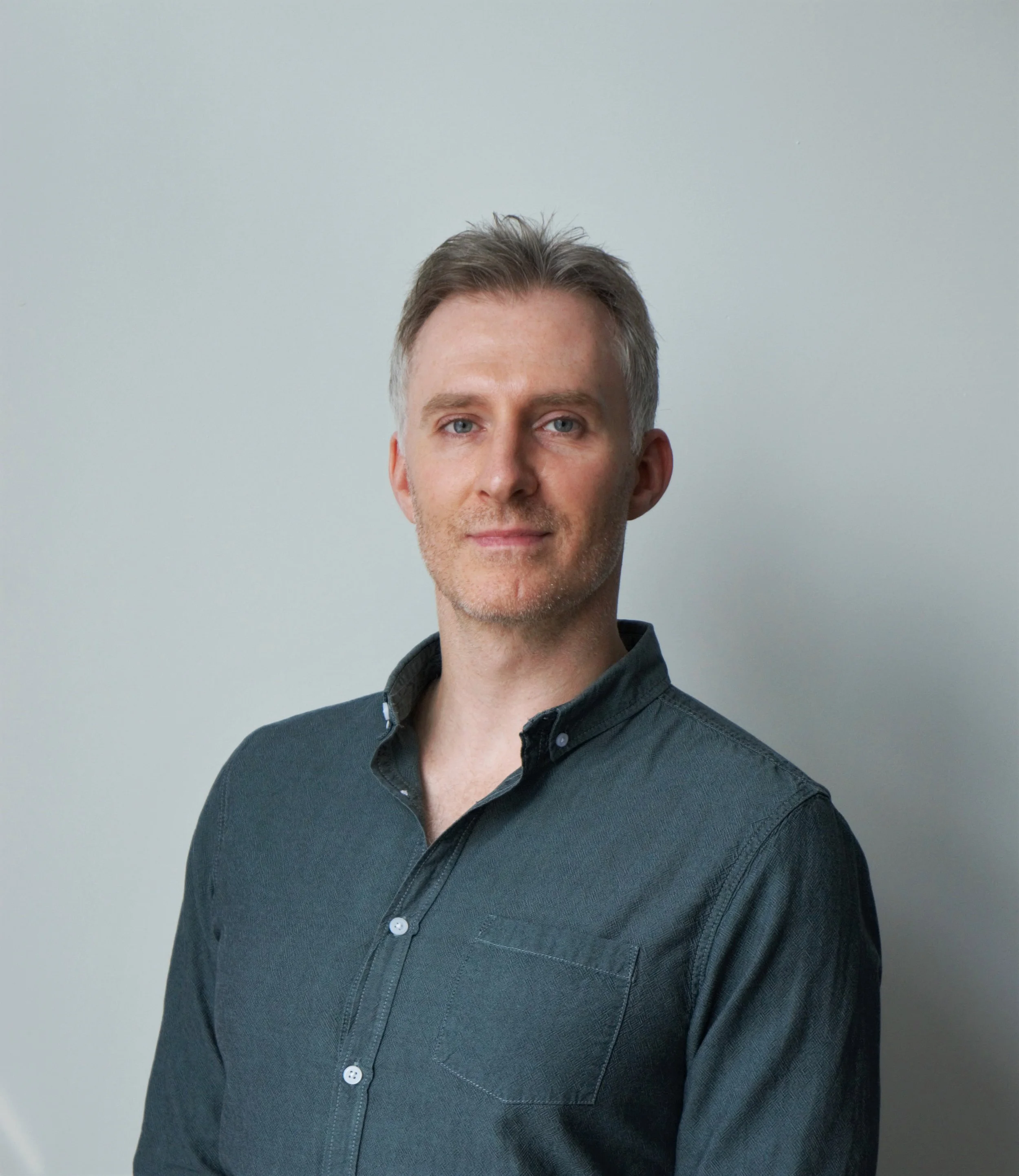
NEXSystems was founded by Petrus Treurnicht, a Systems Engineer with more than sixteen years of experience delivering complex engineering systems and programmes across aerospace, defence, and autonomous systems.
“Over that time, I have worked across the engineering lifecycle — from concept development, requirements and system architecture through integration, verification, certification, support, and operational demonstration. I've also led engineering teams and worked at the interface between technical disciplines, programme objectives, and organisational decision-making.
Working in highly regulated and safety-critical environments shaped a pragmatic approach to systems engineering: rigorous where it matters, practical where it can be, and always focused on enabling better engineering decisions.
NEXSystems is the application of that experience. The goal is simple: help organisations navigate technically complex problems, strengthen their engineering capability, and turn ambitious concepts into dependable capability.”
Meet the Founder

When Clients Engage NEXSystems
They need an independent engineering perspective.
Objective reviews that bring clarity to technical uncertainty.
They need experienced technical leadership.
Providing systems thinking where programmes have outgrown existing capability.
They need to reduce programme risk.
Identifying issues early, aligning engineering effort, and supporting confident technical decisions.
They need to build engineering capability.
Helping organisations develop stronger engineering practices that continue delivering value long after an individual project has finished.